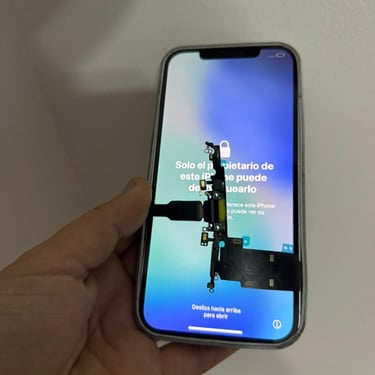
Internal Structure of the iPhone 12 Pro Max
The iPhone 12 Pro Max features a compact and highly integrated internal design focused on performance, durability, and water resistance. Its layout combines a large OLED display, an L-shaped high-capacity battery, a sandwich-style logic board with the A14 Bionic processor, advanced Face ID components, and a triple-camera system with LiDAR, all carefully shielded and secured for reliability.
AYBERK BLOG
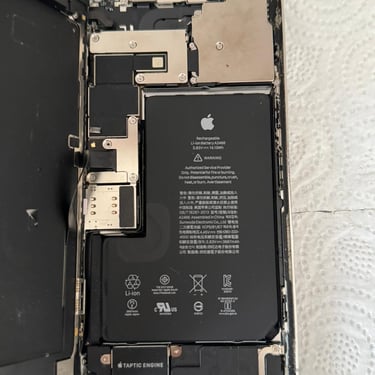
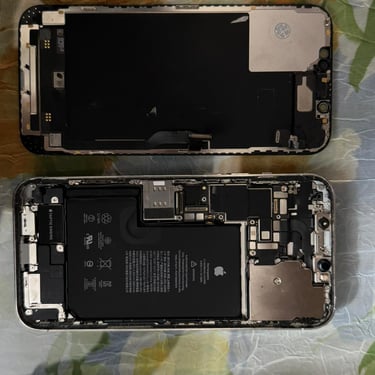
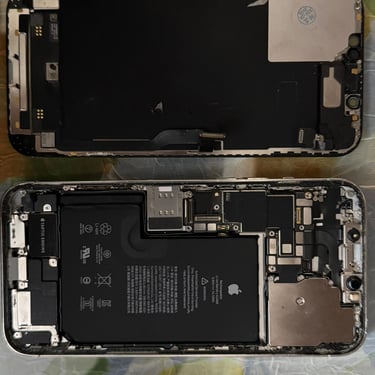
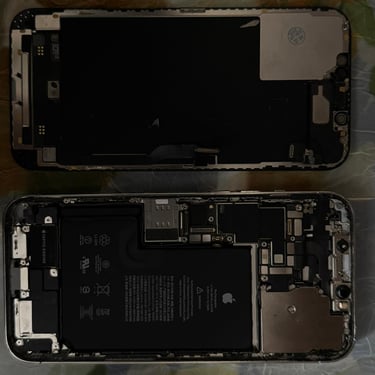
When the iPhone 12 Pro Max is disassembled, its internal structure clearly reflects Apple’s characteristic engineering approach. Once the device is opened, the first major component encountered is the large OLED display module, which covers a significant portion of the front. The display is mounted on a thin but rigid metal frame and connected to the logic board via flexible ribbon cables. These cables carry signals for the Face ID system, the front camera, the earpiece speaker, and various sensors.
After removing the display, the upper section reveals the speaker and sensor assembly. This area contains key Face ID components such as the infrared camera, flood illuminator, and dot projector. These parts require extremely precise alignment and are factory-paired by Apple, which makes them particularly sensitive during disassembly.
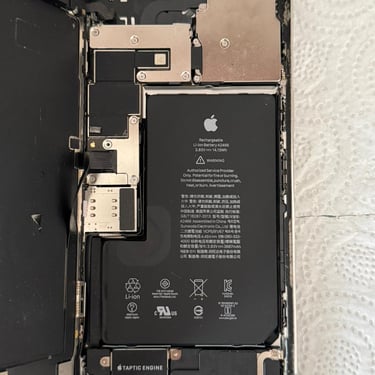
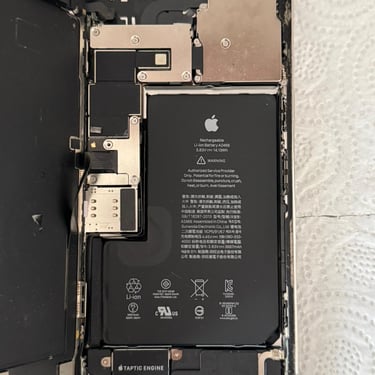
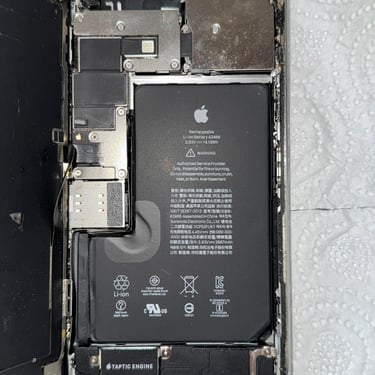
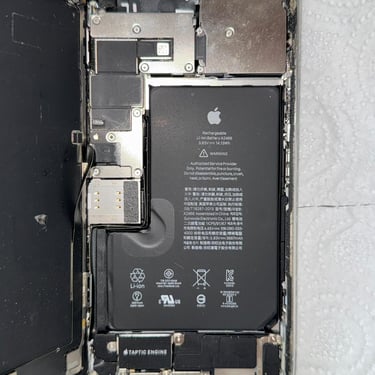
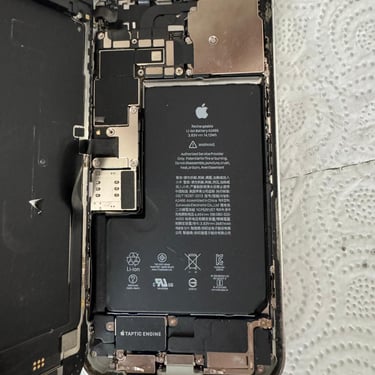
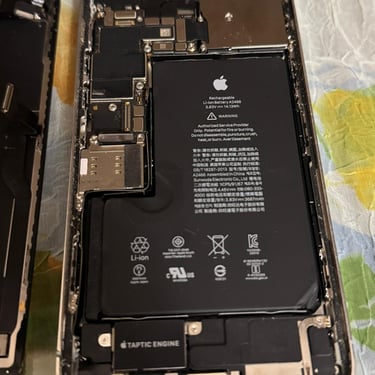
In the central area of the device, a large L-shaped battery is installed. In the iPhone 12 Pro Max, this battery is designed as a single cell formed in a two-part shape to maximize energy density and efficiently use the internal space. The battery is secured to the chassis with adhesive pull tabs and connected to the logic board through a dedicated connector.
Next to and above the battery sits the main logic board. The logic board uses a two-layer “sandwich” design, allowing Apple to fit the A14 Bionic processor, RAM, storage, and power management integrated circuits into a very compact area. The board also houses the baseband processor, Wi-Fi and Bluetooth modules, and various RF components. Metal shielding and EMI covers are used extensively to manage heat dissipation and reduce electromagnetic interference.
At the bottom of the device, the Lightning connector assembly, primary microphone, and bottom speaker module are located. The speaker is sealed with gaskets to maintain water and dust resistance. The Taptic Engine, which provides haptic feedback, is positioned near this area and firmly secured to the frame with screws.
The rear camera module is located on the back side as a single integrated unit. It includes three separate camera sensors—wide, ultra-wide, and telephoto—each with optical image stabilization mechanisms. The LiDAR scanner is also integrated into this camera cluster. The camera module connects to the logic board using short, thick flex cables.
Overall, the internal design of the iPhone 12 Pro Max focuses on fitting high-performance components into the smallest possible space while ensuring effective thermal management and water resistance. The extensive use of screws, metal shields, and strong adhesives improves durability but also makes disassembly and repair a process that requires careful attention and precision.