DJI Mini 4 Pro Crash
Full Technical Breakdown and Damage Analysis
AYBERK BLOG
My DJI Mini 4 Pro Crash: Full Technical Breakdown and Damage Analysis
Drone flying is an incredible hobby—full of freedom, creativity, and excitement. But sometimes, even the most careful pilots can experience an unexpected accident. In this article, I want to share the crash I experienced with my DJI Mini 4 Pro, along with a complete technical breakdown of the damage. My goal is to help others understand what happens internally when a small drone takes a major hit.
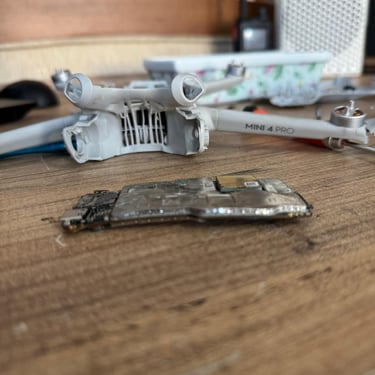
This was not a minor crash. It was a full-scale impact that affected almost every critical component of the drone.
The Crash: First Impressions
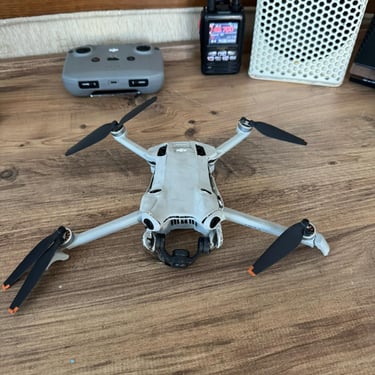
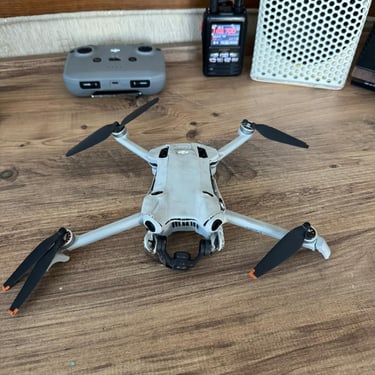
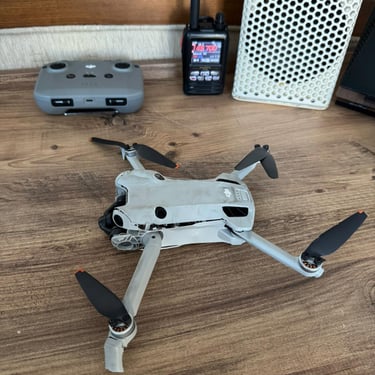
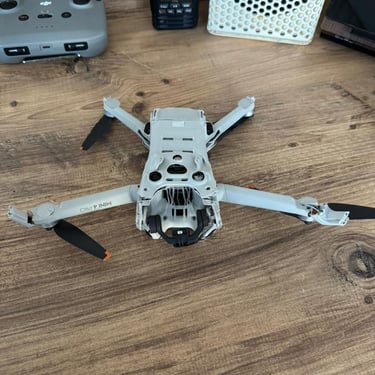
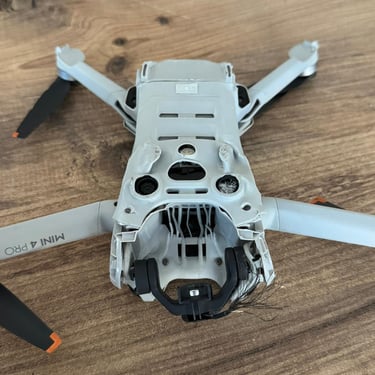
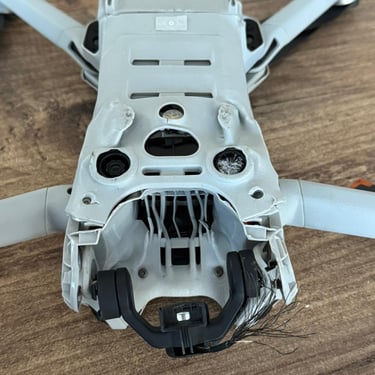
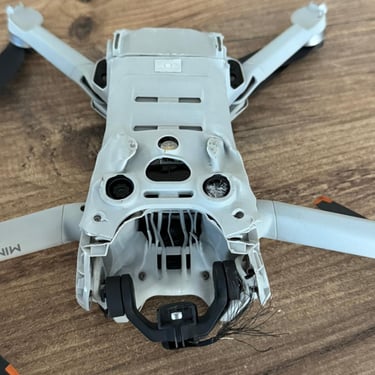
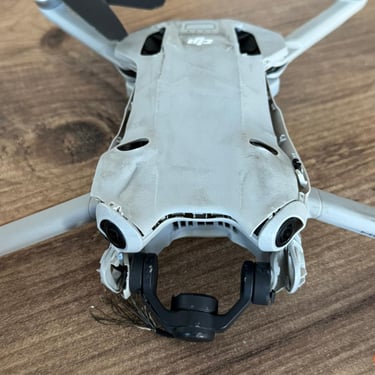
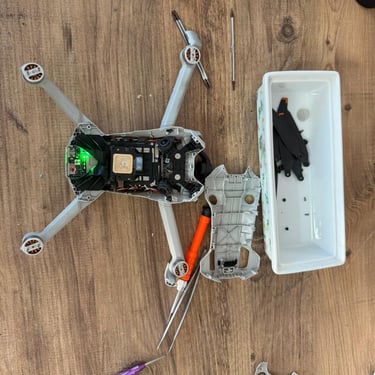
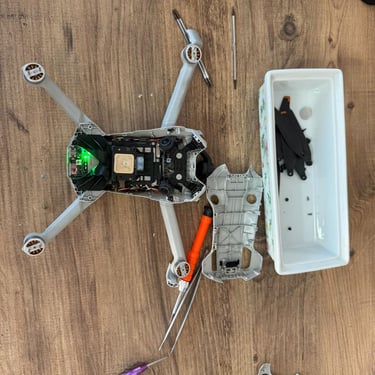
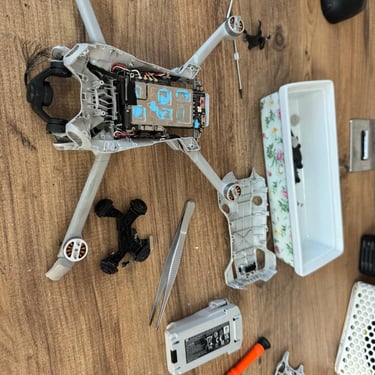
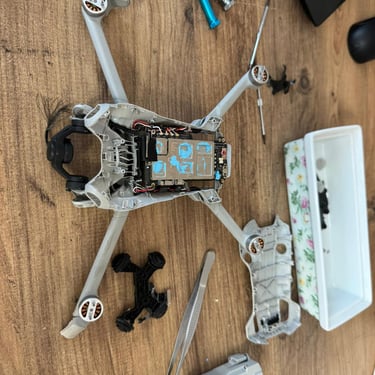
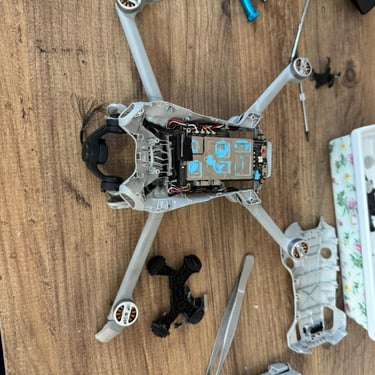
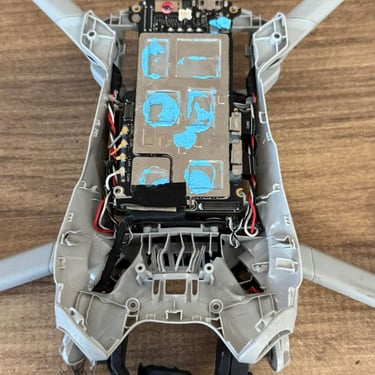
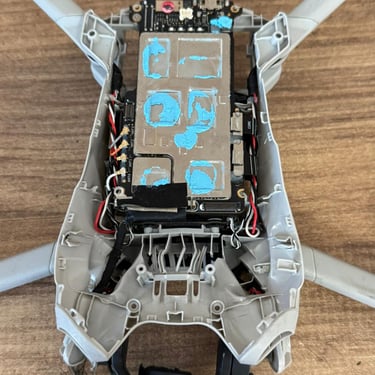
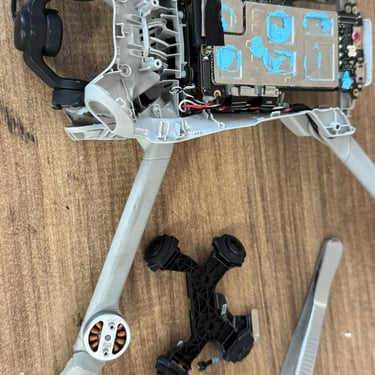
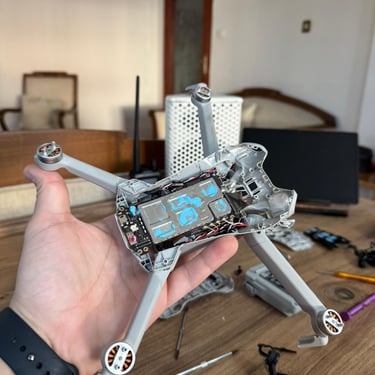
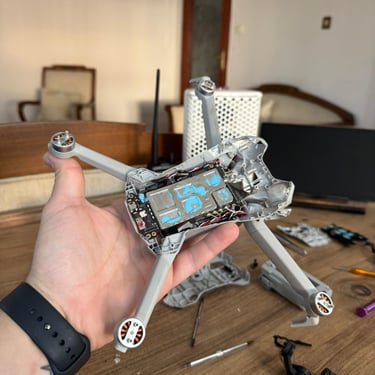
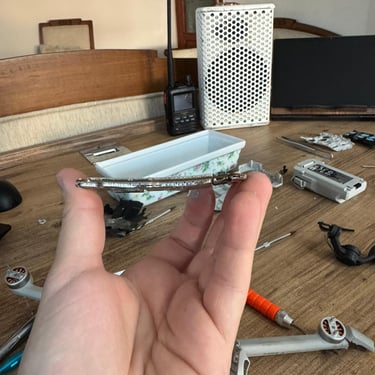
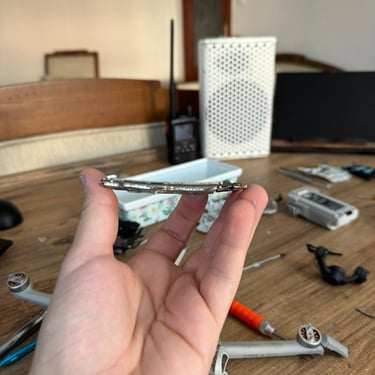
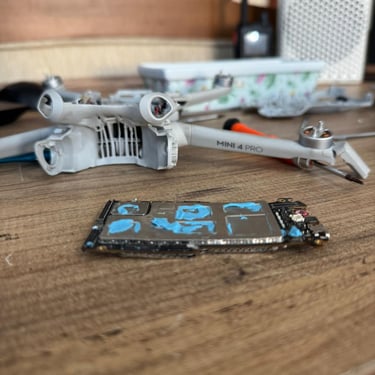
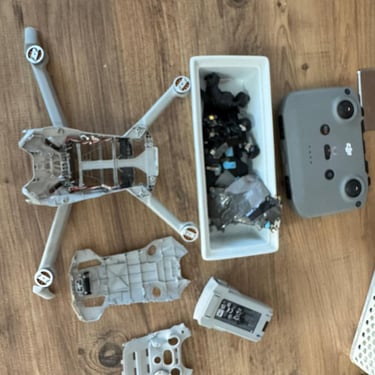
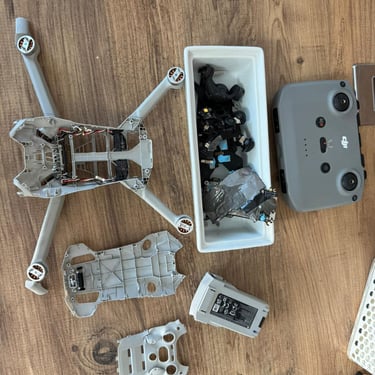
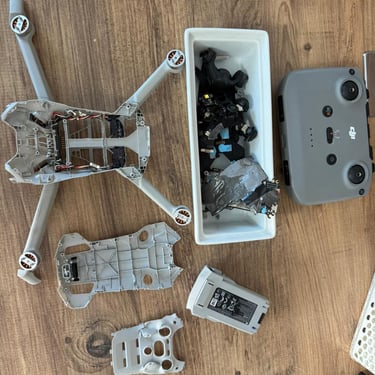
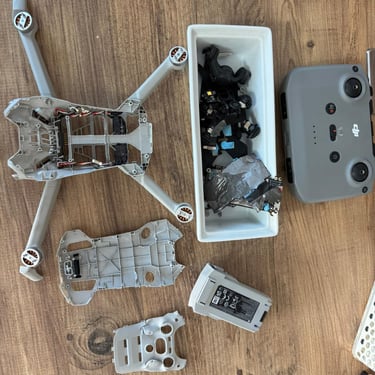
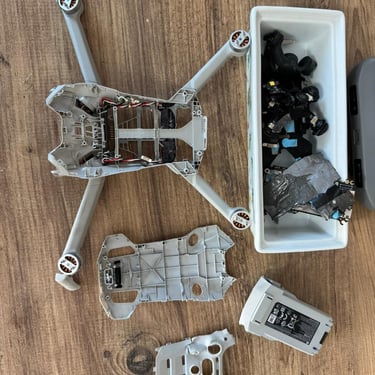
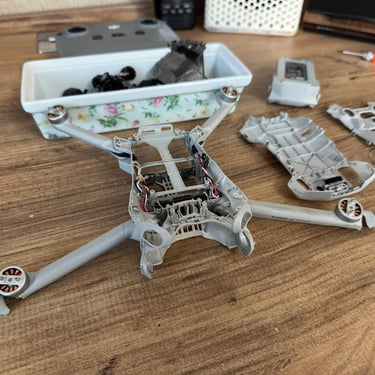
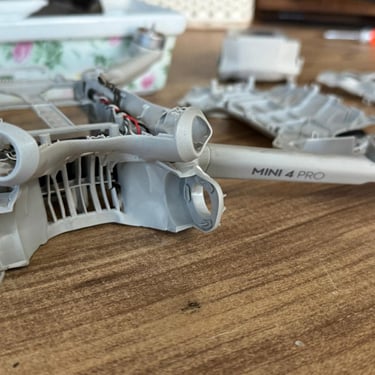
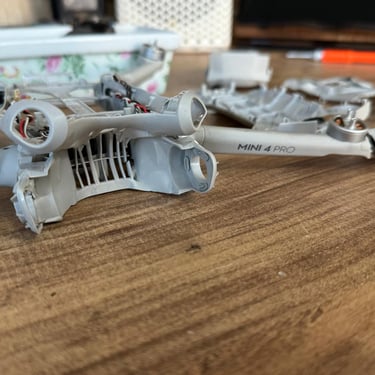
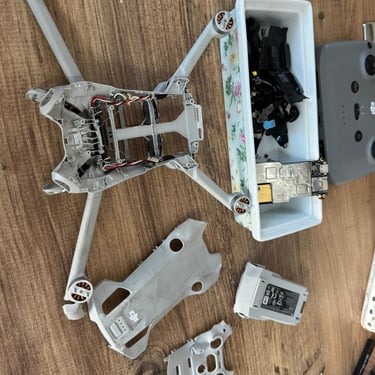
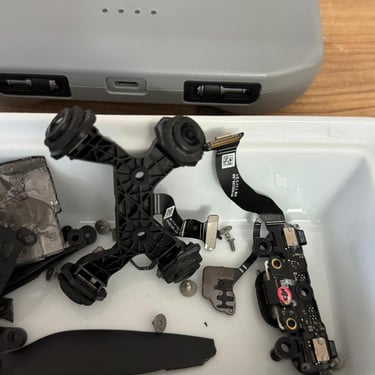
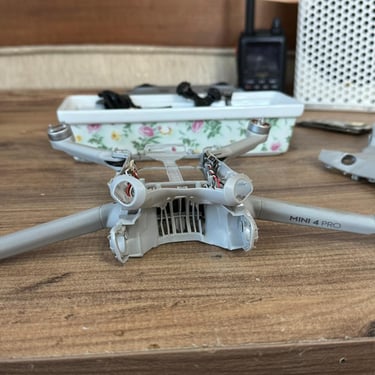
Right after the crash, it was obvious that something serious had happened. Parts of the drone were broken, the camera was completely gone, and multiple structural components had snapped. Once I inspected the device more closely, it became clear that nearly every major subsystem had been affected.
Here is a full summary of the damage.
1. Gimbal & Camera Unit: Completely Destroyed
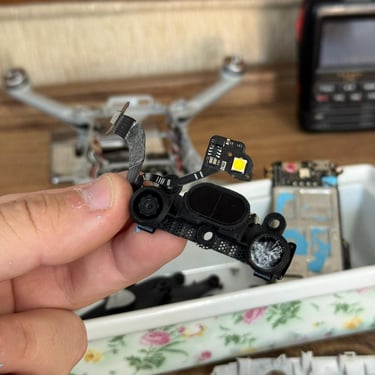
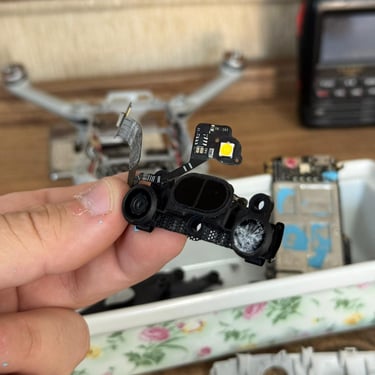
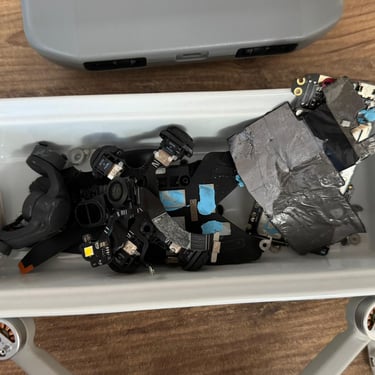
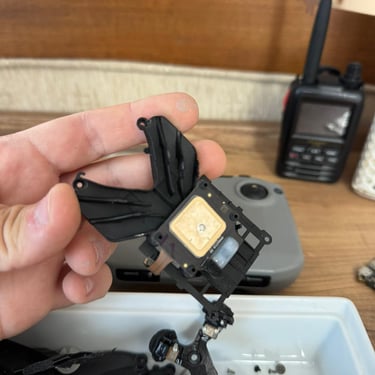
The most dramatic and critical damage was to the gimbal and camera assembly. In my case, the entire module was physically gone—completely broken off during the crash.
This isn’t just a camera. On the DJI Mini 4 Pro, the gimbal module includes:
3-axis mechanical stabilization motors
The main camera sensor
Gimbal ESC control board
Ribbon cable data connection
Front vision system processing
Part of the video encoding pipeline
When this entire unit is missing:
The drone can’t initialize correctly
The flight controller receives no gimbal feedback
Vision and obstacle detection systems shut down
You get “Gimbal Not Detected” or “Payload Error”
Motors won’t arm — the drone cannot take off
In simple terms:
A Mini 4 Pro cannot fly without its camera/gimbal module attached.
2. Broken Arms and Motors
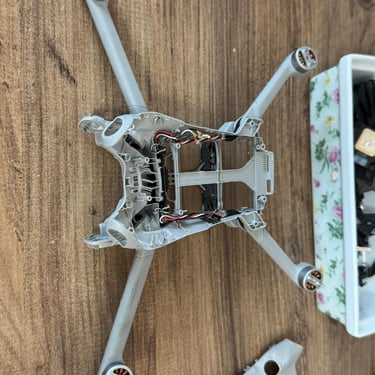
Two of the drone’s arms were broken, and the motors on those arms were also damaged.
Because the Mini 4 Pro has integrated arms:
A broken arm = the entire bottom shell must be replaced
Motor wires are soldered directly to the ESC
A broken motor cable can cause ESC failure
Any ESC failure prevents the drone from flying
This type of damage is extremely serious. Even one damaged arm can ground the drone permanently; two broken arms and two motors mean a complete structural rebuild is needed.
3. Upper and Lower Shell Fractures
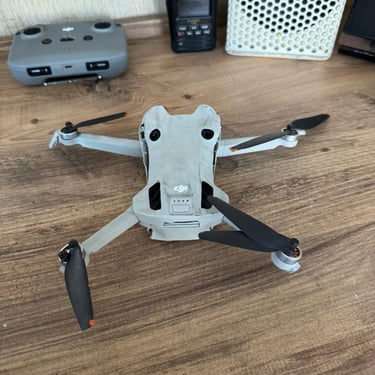
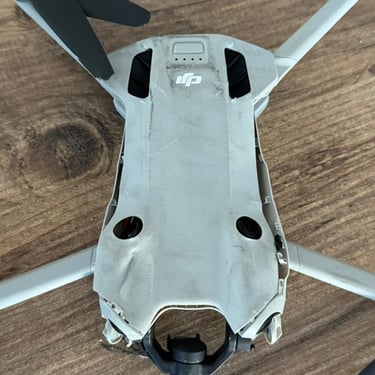
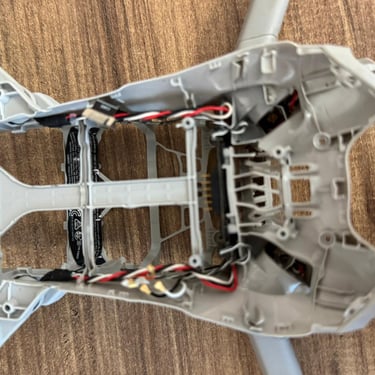
Both the top and bottom shells of the drone were cracked and deformed.
This affects more than appearance:
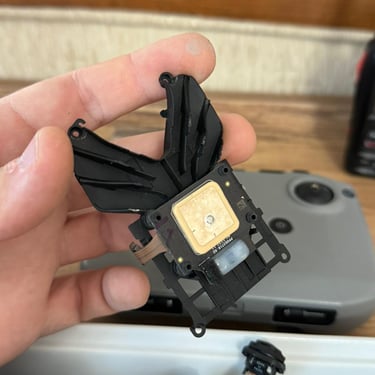
GPS module becomes exposed
Internal antennas lose protection
Vibration isolation is compromised
Internal cables can shift or tear
The airframe loses structural rigidity
Overall, the drone simply cannot operate safely with this level of physical damage.
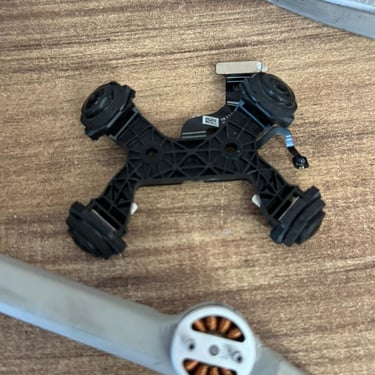
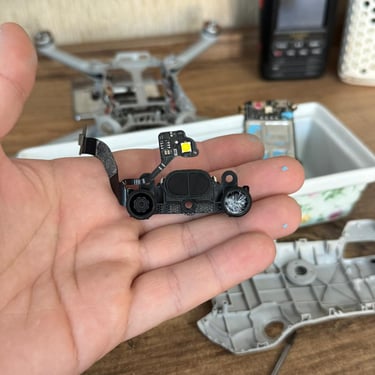
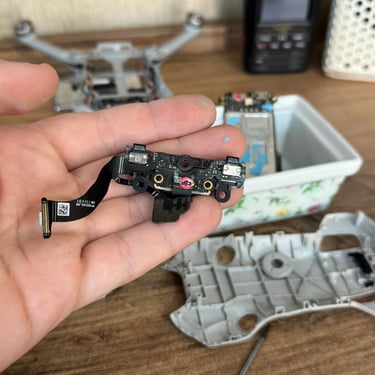
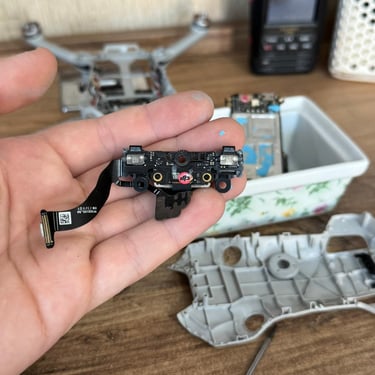
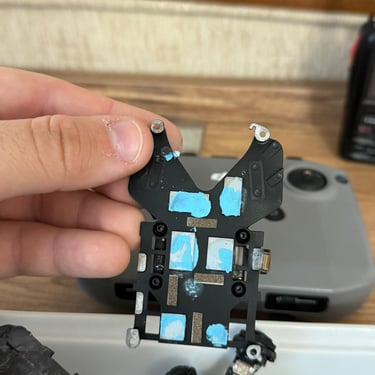
4. Bottom Sensor Module Destroyed
The Mini 4 Pro uses a sophisticated bottom vision system consisting of:
Downward dual cameras
Infrared altimeters
Time-of-flight landing sensors
This entire module was broken during the crash.
Without it:
The drone cannot hover accurately
Indoor flying becomes impossible
Landing protection fails
The flight controller throws continuous sensor errors
This module must be replaced for the drone to function.
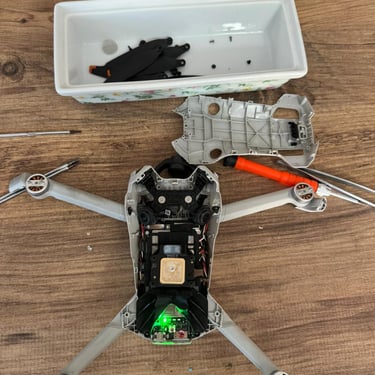
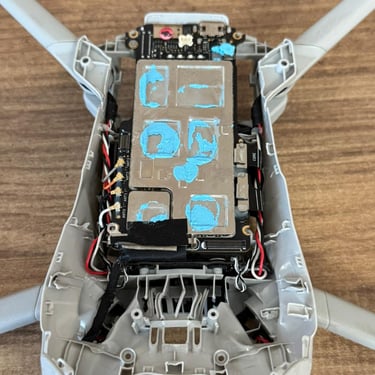
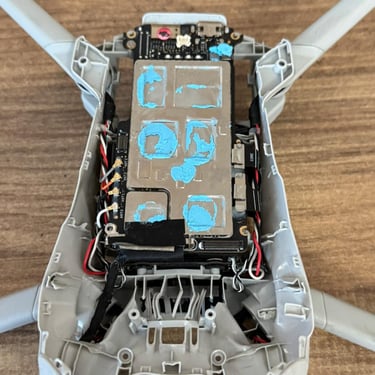
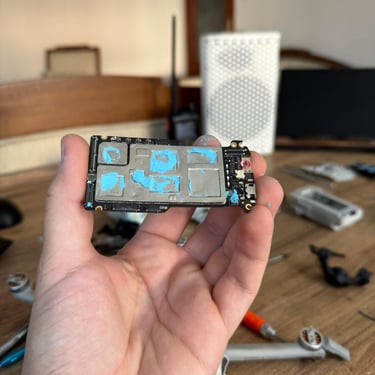
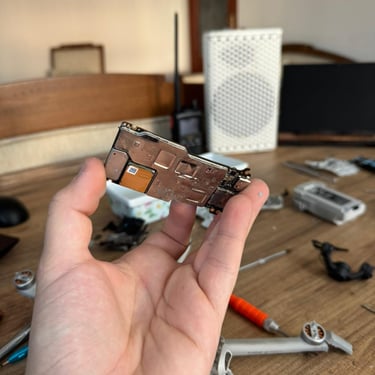
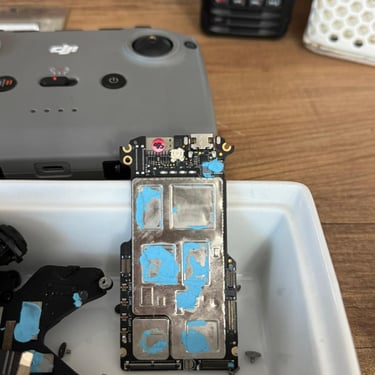
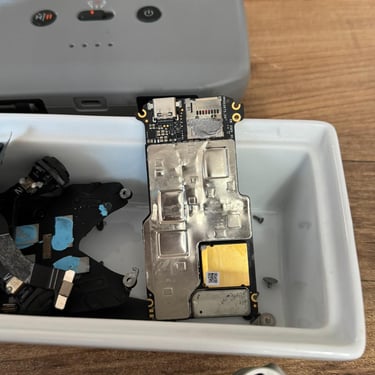
5. Main Board (Flight Controller + ESC) Bent
This was the most critical internal damage.
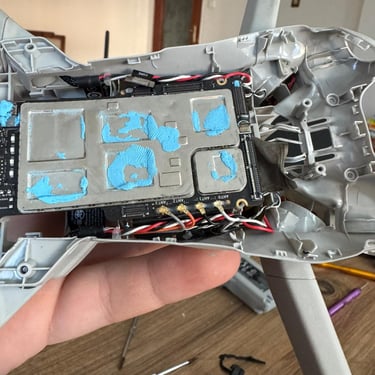
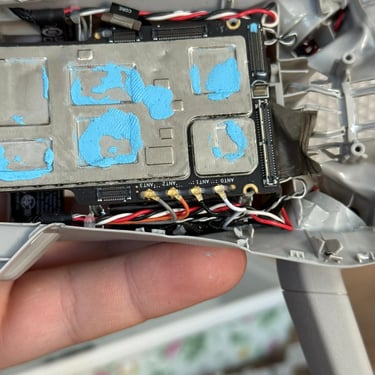
The main board (motherboard) of the Mini 4 Pro was physically bent. This board houses:
Flight controller
ESC modules
IMU connector
Antenna circuitry
GPS interfaces
Gimbal communication ports
Power distribution
When a main board bends, microscopic solder joints crack. ESC channels lose connection. Signal integrity collapses. Even if some parts still “appear” functional, the board is no longer reliable.
A bent main board effectively means the drone is full lost / totalled.
6. IMU Still Working — But It Doesn’t Change Much
The only good news was that the IMU survived.
However, even with a working IMU:
The main board is damaged
The camera is missing
Motors and arms are broken
Bottom sensors are destroyed
So the IMU being intact unfortunately doesn’t improve the overall situation.
Final Verdict: Near-Total Loss
When you combine all the damage:
Missing camera
Two broken arms
Two broken motors
Cracked upper and lower shells
Broken bottom vision module
Bent main board
…it becomes clear that the drone is economically a total loss.
Repairing a Mini 4 Pro with this level of damage would require:
A complete gimbal/camera assembly
New motors
New arms (entire lower body)
New top cover
New bottom sensor module
New main board
Full rewiring and calibration
By the time all of these parts are replaced, you’ve essentially rebuilt the entire drone.
In most cases, a crash like this costs almost the same as buying a new Mini 4 Pro.
Conclusion
Crashes can happen to anyone, even with a modern aircraft like the DJI Mini 4 Pro. In my case, the accident resulted in severe structural, mechanical, and electronic damage. I’m sharing this experience not only as a story, but as a reference for anyone trying to understand how complex and interconnected the internals of these aircraft really are.
Hopefully, this breakdown helps other pilots understand what to look for and what to expect if a crash happens.
If you’d like, I can also prepare:
✅ A short version of this article
✅ A more technical engineering-style version
✅ A more personal emotional story version
✅ SEO keywords + meta descriptions
✅ Clickworthy blog titles