Winter Maintenance of VHF, UHF, FM Broadcast, and Amateur Radio Antennas
Winter conditions such as snowfall, ice formation, freezing temperatures, and strong winds place significant mechanical and electrical stress on VHF, UHF, FM broadcast antennas, and amateur radio antenna systems. Proper inspection and maintenance before and during winter are essential to ensure transmission continuity, system reliability, and long-term equipment protection.
AYBERK BLOG
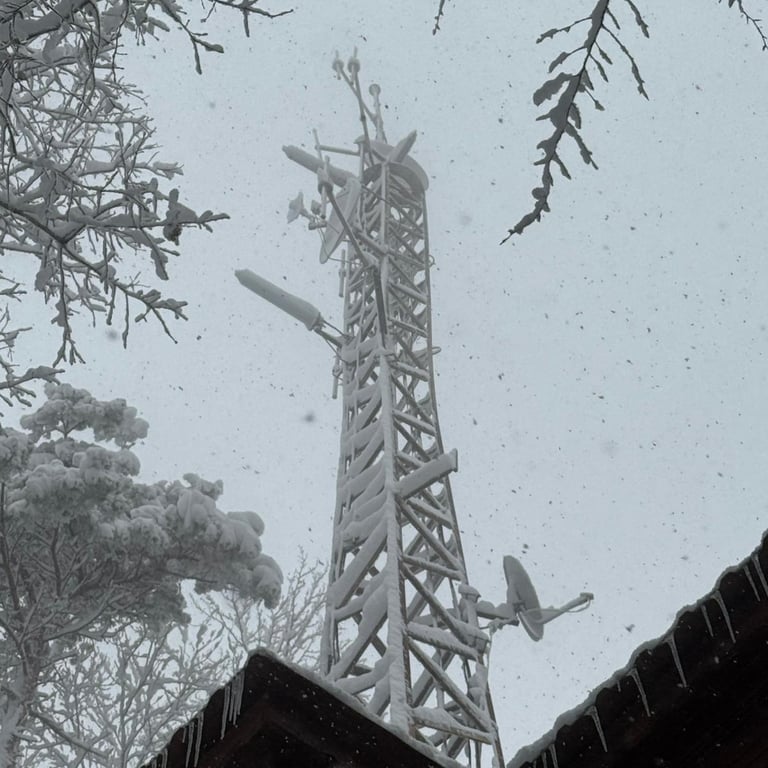
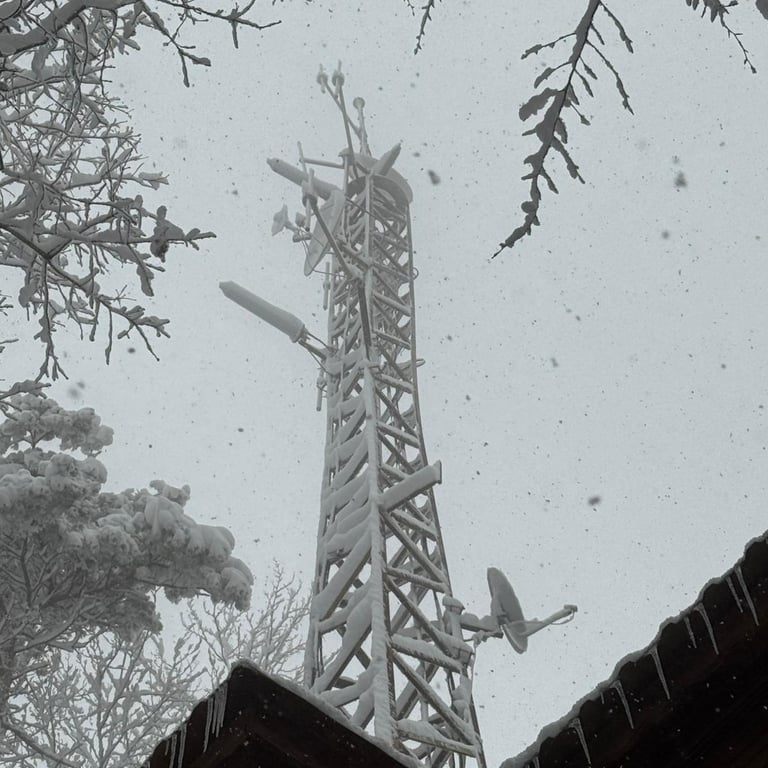
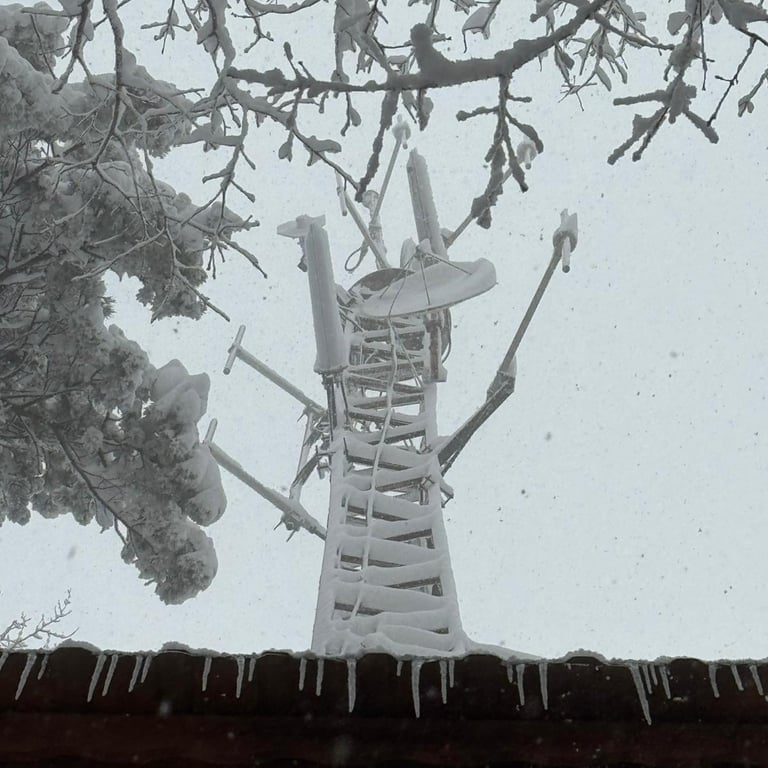
Winter Maintenance of VHF, UHF, FM Broadcast, and Amateur Radio Antennas
Winter conditions such as snowfall, ice formation, freezing temperatures, and strong winds place significant mechanical and electrical stress on VHF, UHF, FM broadcast antennas, and amateur radio antenna systems. Proper inspection and maintenance before and during winter are essential to ensure transmission continuity, system reliability, and long-term equipment protection.
Mechanical Inspection and Structural Integrity
Low temperatures increase material brittleness, especially in aluminum antenna elements, steel masts, and mounting hardware. Antenna elements, clamps, flanges, and mast connections should be inspected for loosening, cracks, and signs of metal fatigue.
Snow and ice accumulation add extra weight to antenna systems, potentially causing misalignment, bending, or structural damage. For towers and masts using guy wires, tension levels should be checked, as temperature variations can cause expansion and contraction that affect structural stability.
Feedline, Connector, and Weatherproofing
Cold weather can negatively affect coaxial cables. Outer jackets may stiffen, crack, or lose insulation integrity. RF connectors such as N-type, 7/16 DIN, and PL-259 are especially vulnerable to moisture ingress during winter.
All outdoor RF connections should be properly sealed using self-amalgamating tape, UV-resistant insulation tape, and suitable weatherproofing compounds. Moisture penetration can increase VSWR and potentially damage transmitter output stages.
Electrical Performance Checks
Before winter, antenna systems should be tested for VSWR, return loss, and—if possible—feedline attenuation. Snow and ice can shift antenna resonance, causing changes in the center frequency.
For FM broadcast antennas and multi-bay dipole systems, phasing lines and power dividers must be carefully inspected. In amateur radio installations, particular attention should be paid to element connections on VHF/UHF Yagi and collinear antennas.
Grounding and Lightning Protection
Winter storms increase the risk of lightning and electrical surges, making proper grounding essential. Tower, mast, and coaxial grounding systems should be inspected, and oxidized connections cleaned and secured.
Surge protectors and lightning arrestors must be in good working condition to protect both broadcast transmitters and amateur radio equipment.
Ice Mitigation and Safety Considerations
In regions prone to heavy icing, antenna designs or surface treatments that reduce ice buildup should be considered. If physical ice removal is necessary, all transmission must be shut down and appropriate safety procedures strictly followed.
Working on towers and masts in winter conditions poses serious safety risks. Maintenance should never be performed without proper safety equipment and training.
Conclusion
Regular winter maintenance of VHF, UHF, FM broadcast, and amateur radio antennas extends system lifespan, preserves signal quality, and prevents unexpected failures. Planned maintenance ensures reliable communication even under the harshest winter conditions.
Winter environments ultimately test the durability and quality of well-designed and properly maintained antenna systems. 73!