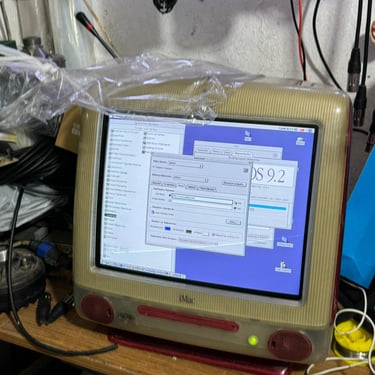
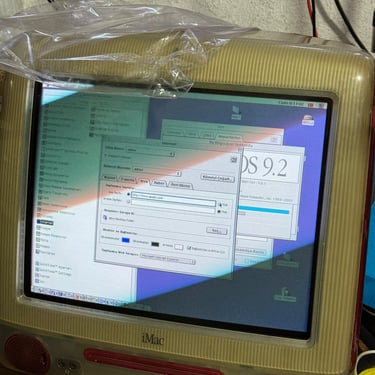
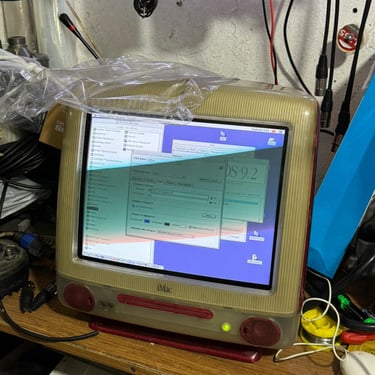
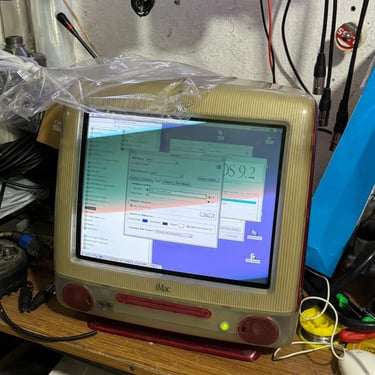
İMAC-G3 2001
PowerPC G3 processor (500 MHz – 700 MHz depending on the model)
AYBERK BLOG
The year 2001 marked an important period for Apple, as the company strengthened both its design philosophy and its position in the personal computer market. The iMac models released during this time continued Apple’s “all-in-one” desktop concept, combining striking looks with practical performance. The 2001 iMac became especially iconic thanks to its colorful, playful yet modern design.
Design
The 2001 iMac followed the well-known “G3 shell” design. Its translucent plastic body, rounded curves, and vibrant color options quickly made it one of the most recognizable computers of its era. While keeping the charm of earlier colorful iMacs, the 2001 lineup introduced more mature and refined tones, appealing to both home users and educational institutions.
Available colors included:
Indigo
Graphite
Snow (a white–translucent combination)
These options gave the computer a distinctive, stylish, and contemporary appearance.
Technical Specifications
The 2001 iMac models were built on the PowerPC G3 architecture, offering reliable performance for everyday tasks. USB ports had become standard, and the addition of FireWire made the system attractive for video editing and professional peripherals.
Typical specs of the 2001 iMac:
PowerPC G3 processor (500 MHz – 700 MHz depending on the model)
15-inch CRT display
128 MB – 256 MB RAM (expandable)
20 GB – 40 GB HDD
CD-ROM or CD-RW drive
USB 1.1 and FireWire ports
Ships with Mac OS 9, compatible with Mac OS X
For home users and schools, this configuration delivered smooth and dependable performance, while Apple’s simplified interface made it especially friendly for new users.
Software and User Experience
The 2001 iMac series came preinstalled with Mac OS 9, during a time when Apple was transitioning to its modern operating system, Mac OS X. Because of this, many owners experienced the 2001 iMac as a bridge between Apple’s classic and modern software ecosystems. With easy-to-use tools, early iTunes integration, and the beginnings of the iLife suite, the machine provided a pleasant and intuitive user experience.
Legacy and Importance
The 2001 iMac stands as one of Apple’s strongest examples of design-driven computing. Its colorful, compact, and user-friendly form helped shape the foundation of today’s iMac models. For retro computing enthusiasts, it remains a valuable and collectible piece of Apple history.
More than just a computer, the 2001 iMac is remembered as a turning point in design and user experience, symbolizing Apple’s commitment to innovation and simplicity.