Radio Communication in Snowy and Severe Weather Conditions: The Role of Amateur Radio
Snowfall, storms, strong winds, and severe weather conditions can significantly disrupt transportation, power systems, and modern telecommunications infrastructure. During such situations, mobile networks and internet services may fail or become unavailable. In these moments, amateur radio stands out as a reliable and infrastructure-independent communication method.
AYBERK BLOG

Radio Communication in Snowy and Severe Weather Conditions: The Role of Amateur Radio
Snowfall, storms, strong winds, and severe weather conditions can significantly disrupt transportation, power systems, and modern telecommunications infrastructure. During such situations, mobile networks and internet services may fail or become unavailable. In these moments, amateur radio stands out as a reliable and infrastructure-independent communication method.
The Importance of Amateur Radio in Adverse Weather
Amateur radio operators are capable of maintaining communication without relying on centralized networks. Using VHF and UHF bands through repeater-based or simplex communication, reliable local and regional coverage can be achieved even during heavy snowfall and harsh weather conditions. Repeaters located on high ground play a critical role in extending communication range during such events.
On HF bands, ionospheric propagation enables long-distance communication across hundreds or even thousands of kilometers. This capability becomes especially valuable during prolonged emergencies caused by extreme weather conditions.
Power Independence and Operational Readiness
Severe weather often results in power outages. Amateur radio operators can operate their stations using alternative power sources such as batteries, generators, and solar panels. This energy independence makes amateur radio a resilient communication solution in emergency scenarios.
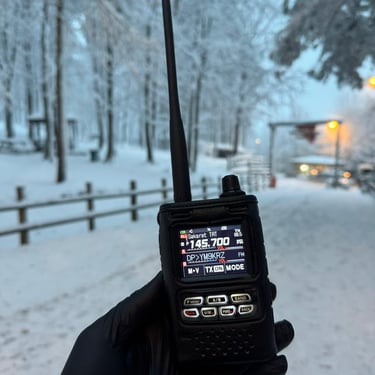
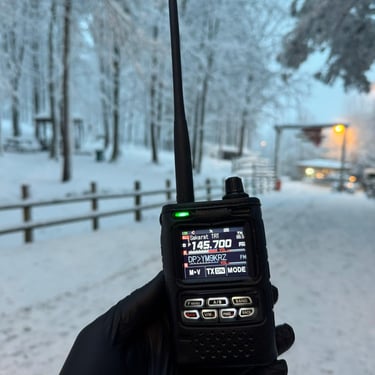
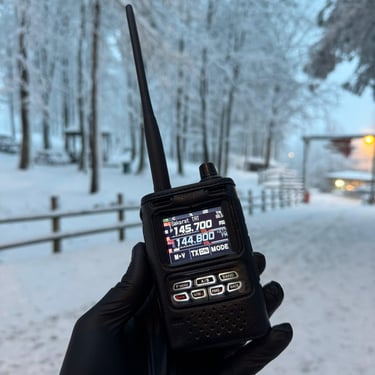
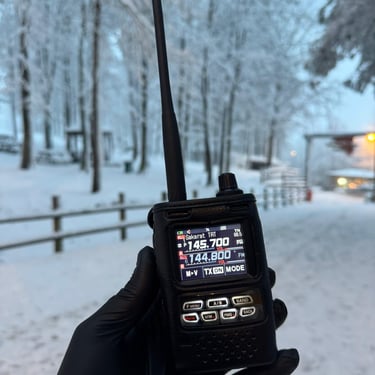
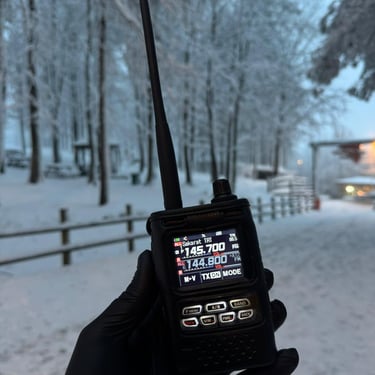
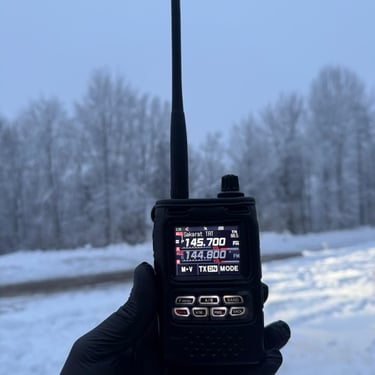
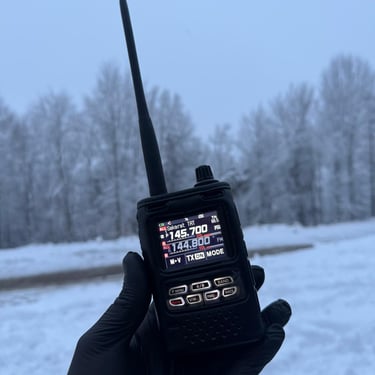
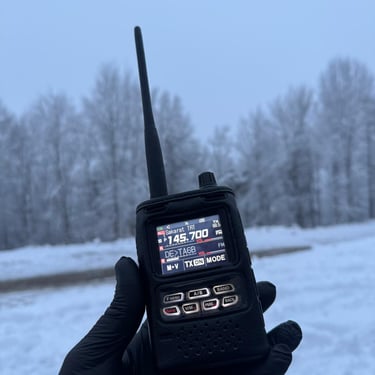
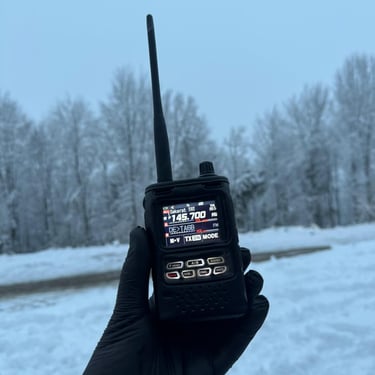
Portable handheld radios, mobile transceivers, and temporary antenna setups allow communication even in snow-covered or hard-to-reach areas where conventional systems may be unavailable.
Communication Discipline and Frequency Management
Clear and disciplined communication is essential during adverse weather operations. Proper use of call signs, concise transmissions, avoidance of unnecessary traffic, and prioritization of emergency communications are fundamental principles of amateur radio. Adhering to these practices ensures efficient and reliable communication when conditions are most challenging.
Community Service and Volunteerism
Amateur radio is more than a technical hobby—it is a public service. During snowy and severe weather conditions, amateur radio operators may assist authorities by relaying emergency information, supporting search and rescue efforts, and providing situational reports from affected areas.
Conclusion
In snowy and harsh weather conditions, amateur radio provides a dependable, flexible, and independent means of communication. When combined with technical knowledge, experience, and preparedness, amateur radio operators play a vital role in maintaining communication when it matters most.
Amateur radio proves its true value not in ideal conditions, but in the most demanding and challenging environments. 73!