Yaesu FT-5D – Brief Internal Technical Analysis
Overall, the internal layout of the FT-5D emphasizes short signal paths, proper grounding, and effective RF shielding. This design approach results in stable performance, low interference, and reliable operation in both analog FM and C4FM digital modes.
AYBERK BLOG
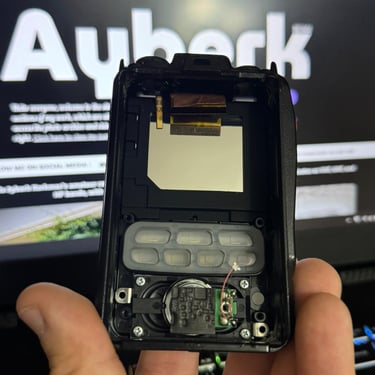
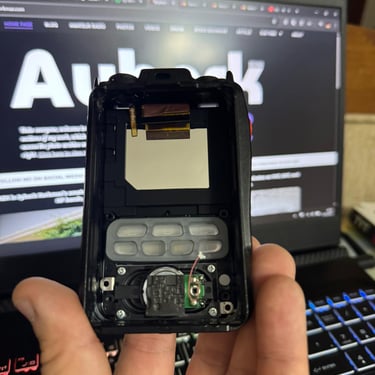
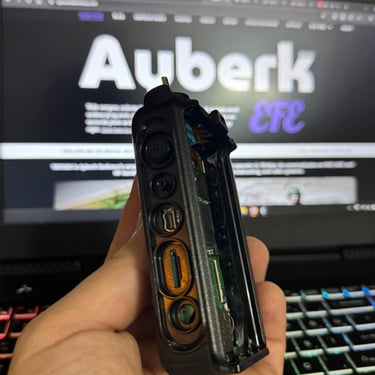
Yaesu FT-5D – Brief Internal Technical Analysis (After Teardown)
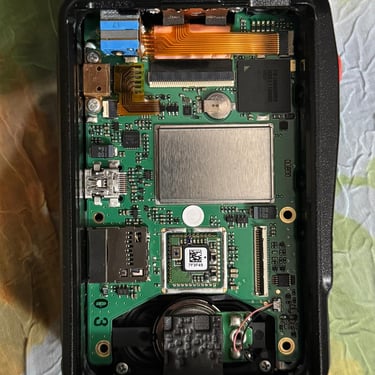
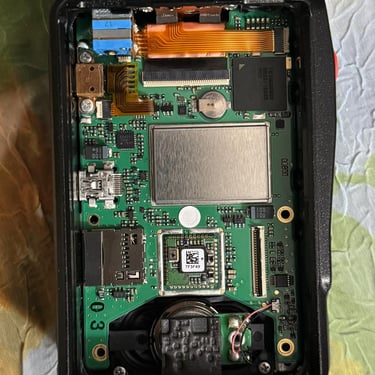
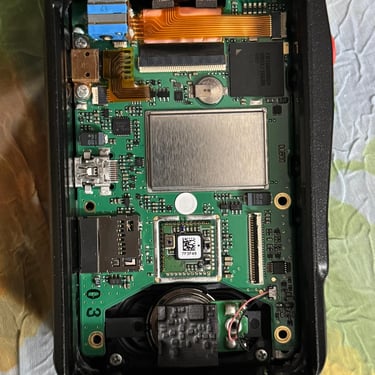
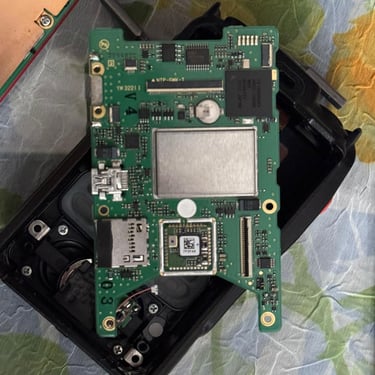
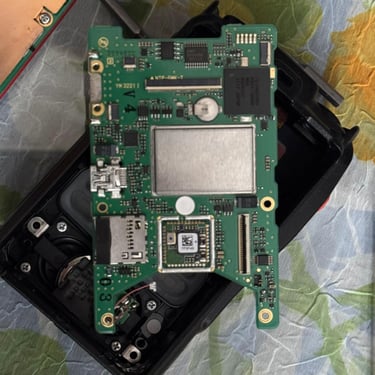
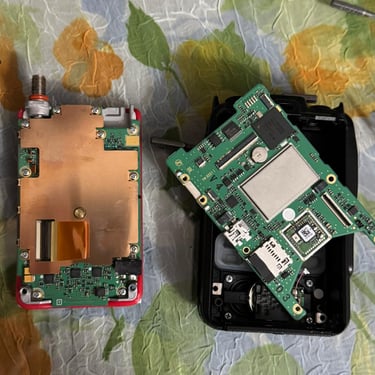
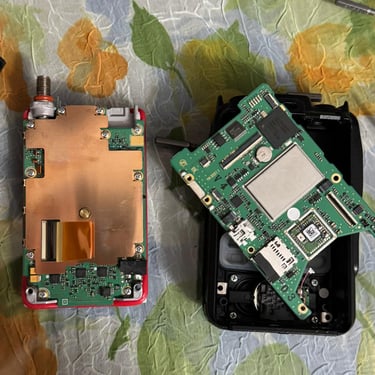
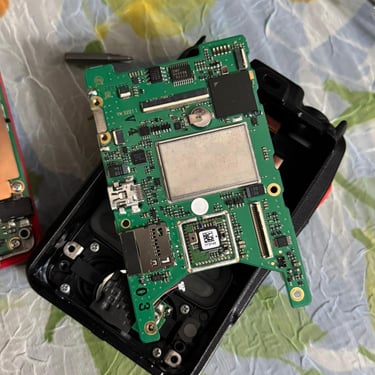
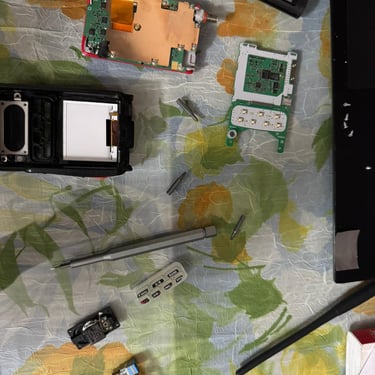
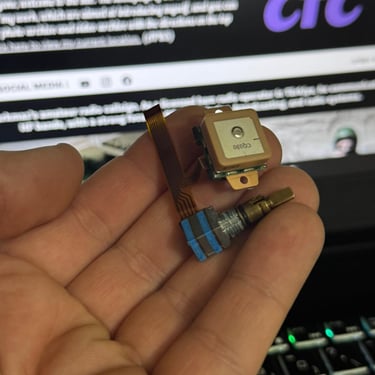
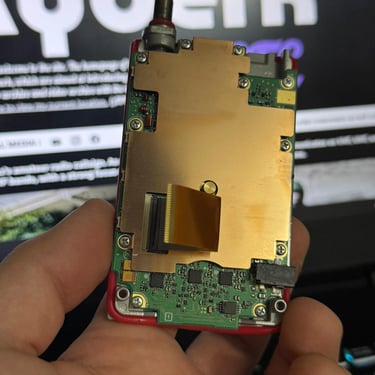
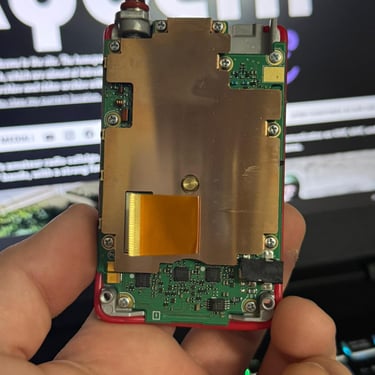
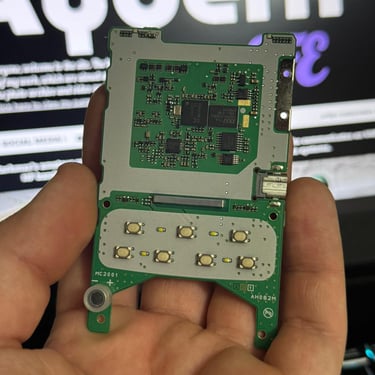
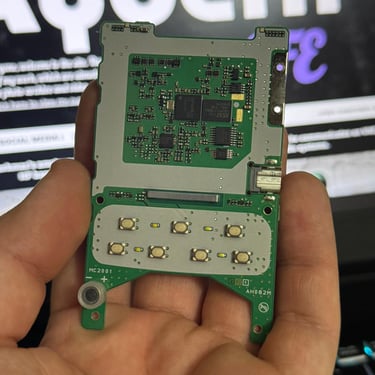
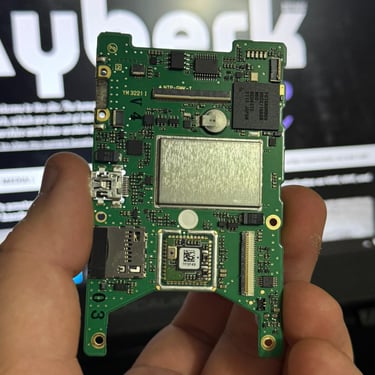
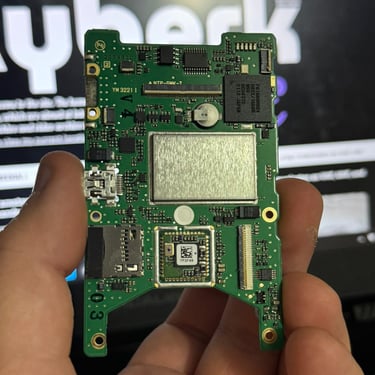
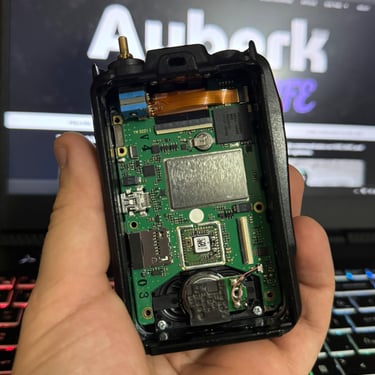
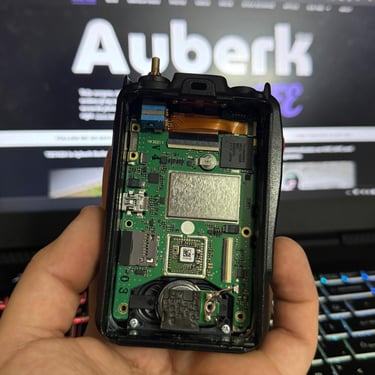
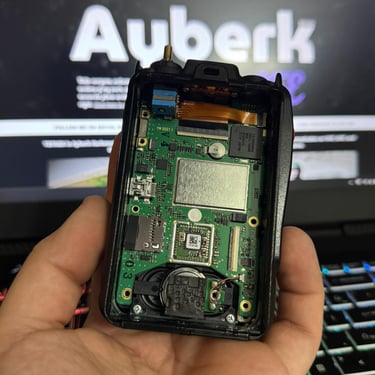
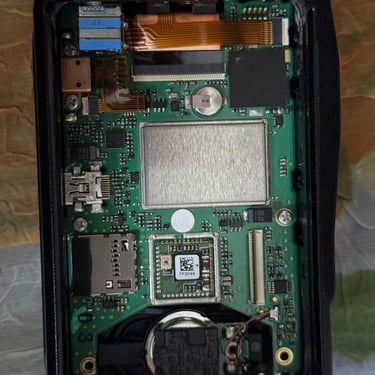
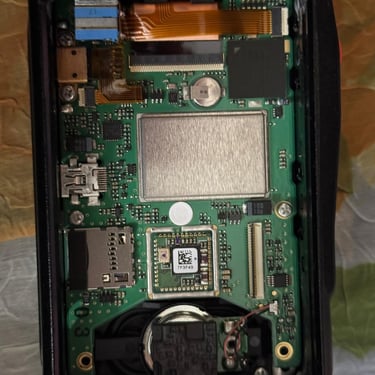
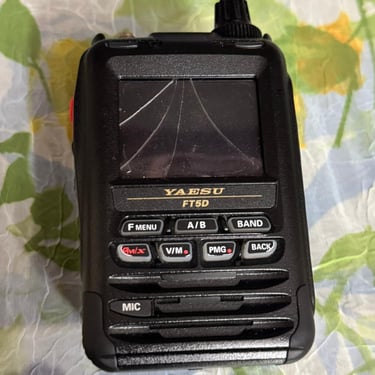
The Yaesu FT-5D features a highly integrated internal design despite its compact size. Internally, the radio can be divided into three main sections: RF circuitry, digital processing, and power management.
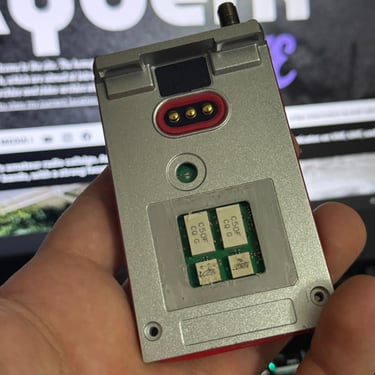
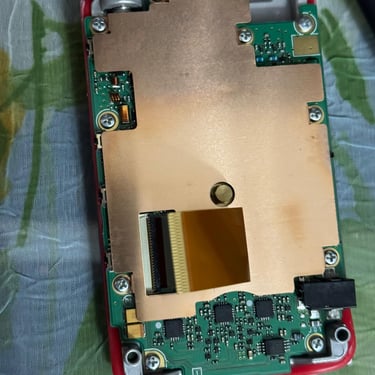
The main PCB carries the VHF/UHF RF stages. In the receiver section, low-noise amplifiers (LNA), band-pass filters, and mixer stages are used to ensure good sensitivity and selectivity. On the transmitter side, the driver and final RF power amplifier transistors are mounted close to the metal chassis. This chassis acts as both a structural element and a heat sink, efficiently dissipating heat during transmission.
Digital processing is handled by a central DSP/MCU that manages C4FM System Fusion operation. This processor is responsible for audio processing, digital modulation and demodulation, APRS functions, Bluetooth control, and the user interface. Flash memory and RAM chips located near the DSP store firmware, channel data, and user settings.
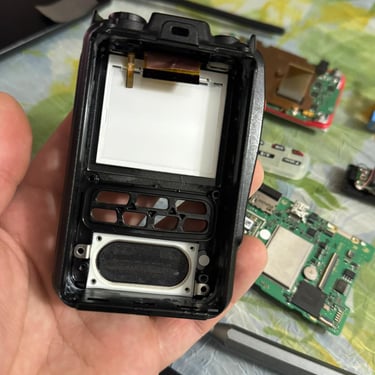
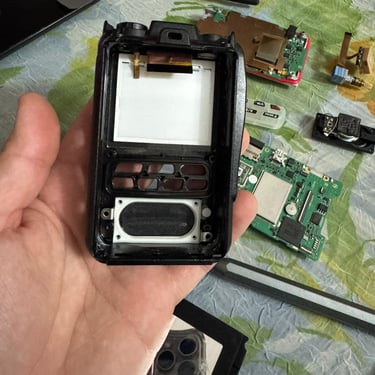
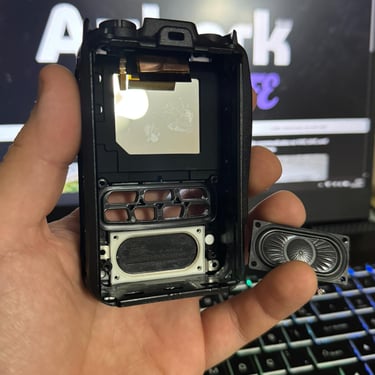
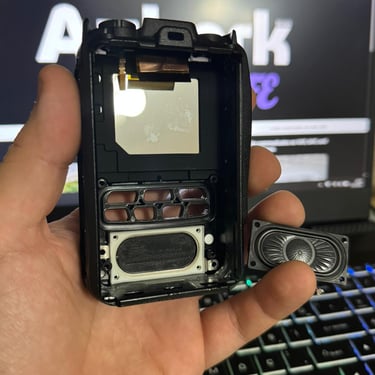
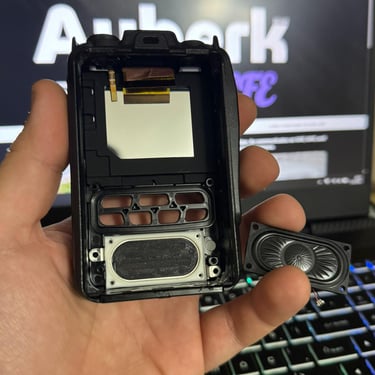
The audio section includes an audio codec that converts analog microphone signals into digital data for DSP processing. A dedicated audio power amplifier drives the internal speaker, providing clear and sufficient audio output in both analog FM and digital modes.
Power management is based on several DC-DC regulators that convert the Li-Ion battery voltage into the required levels for the RF, digital, and audio circuits. The charging circuit, battery protection components, and temperature monitoring are integrated to ensure safe and reliable operation.
Overall, the internal layout of the FT-5D emphasizes short signal paths, proper grounding, and effective RF shielding. This design approach results in stable performance, low interference, and reliable operation in both analog FM and C4FM digital modes.